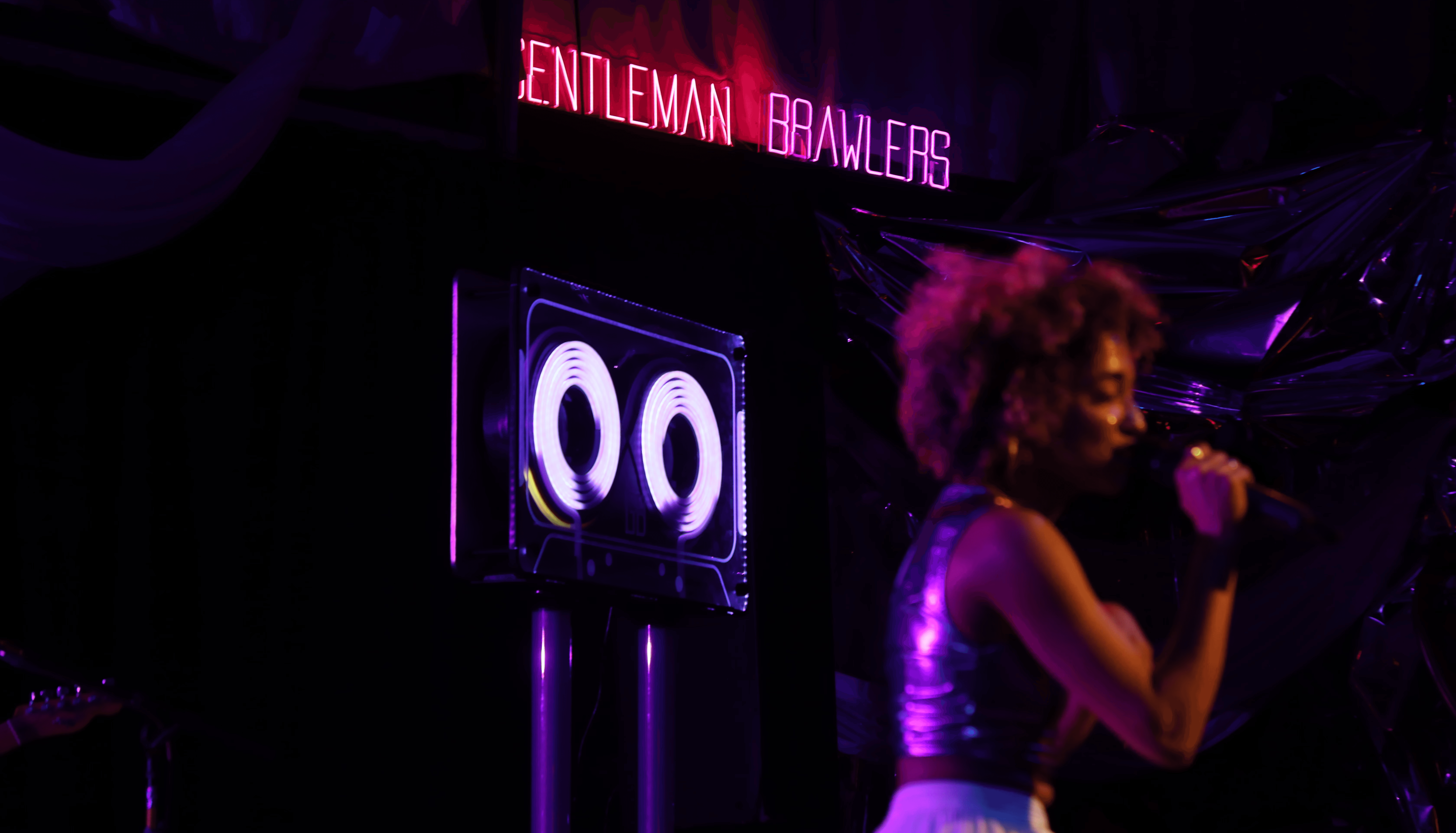
Joy O Meter was developed in collaboration with Culture Lab LIC and immersive concert creators Truth & Magic. The general goal was to reconnect audiences with live music experiences through playful, sensory interactions, bridging the gap between digital technology and intimate, real-world experiences. Most importantly, it can visually track and aggregate collective joy in real-time.
Structural design
Industrial design
Product Modeling
Proejct Manager: Linna Zhou, Melika Panbehchi
Designers: Elaine Wang, Samamtha Cui, Georgia Chen, Kyrie Yang
Developers: Lening Hou, Alan Ren, Lucia Gomez
2024.9 - 12
Led the design of the cassette-shaped centerpiece from sketch to Rhino modeling
Built and fabricated the full enclosure for the animated LED cassette.
Ensured visual clarity and structural stability through iterative prototyping
Handed off internal mounting details to the LED team and collaborated closely on final integration
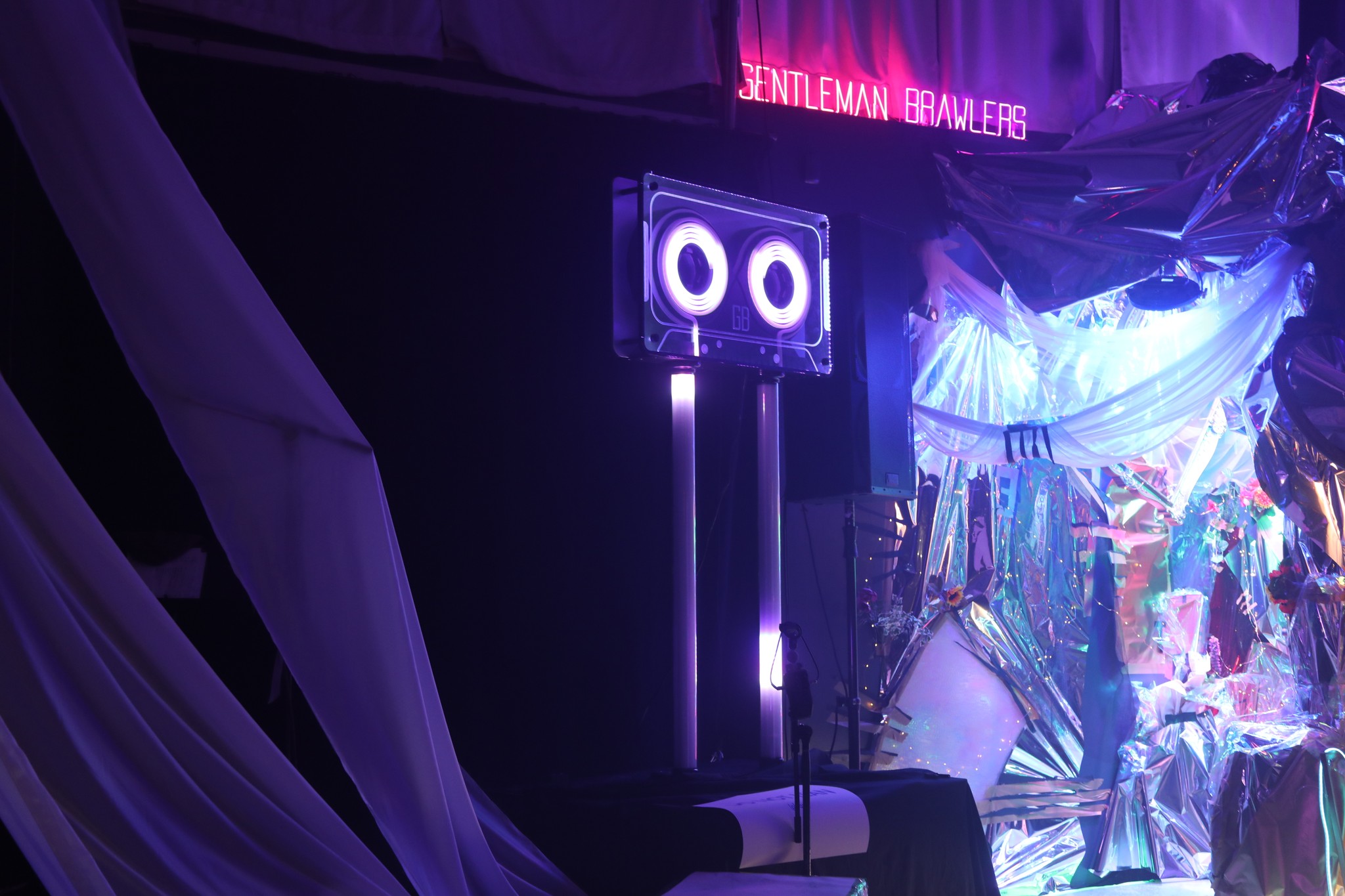
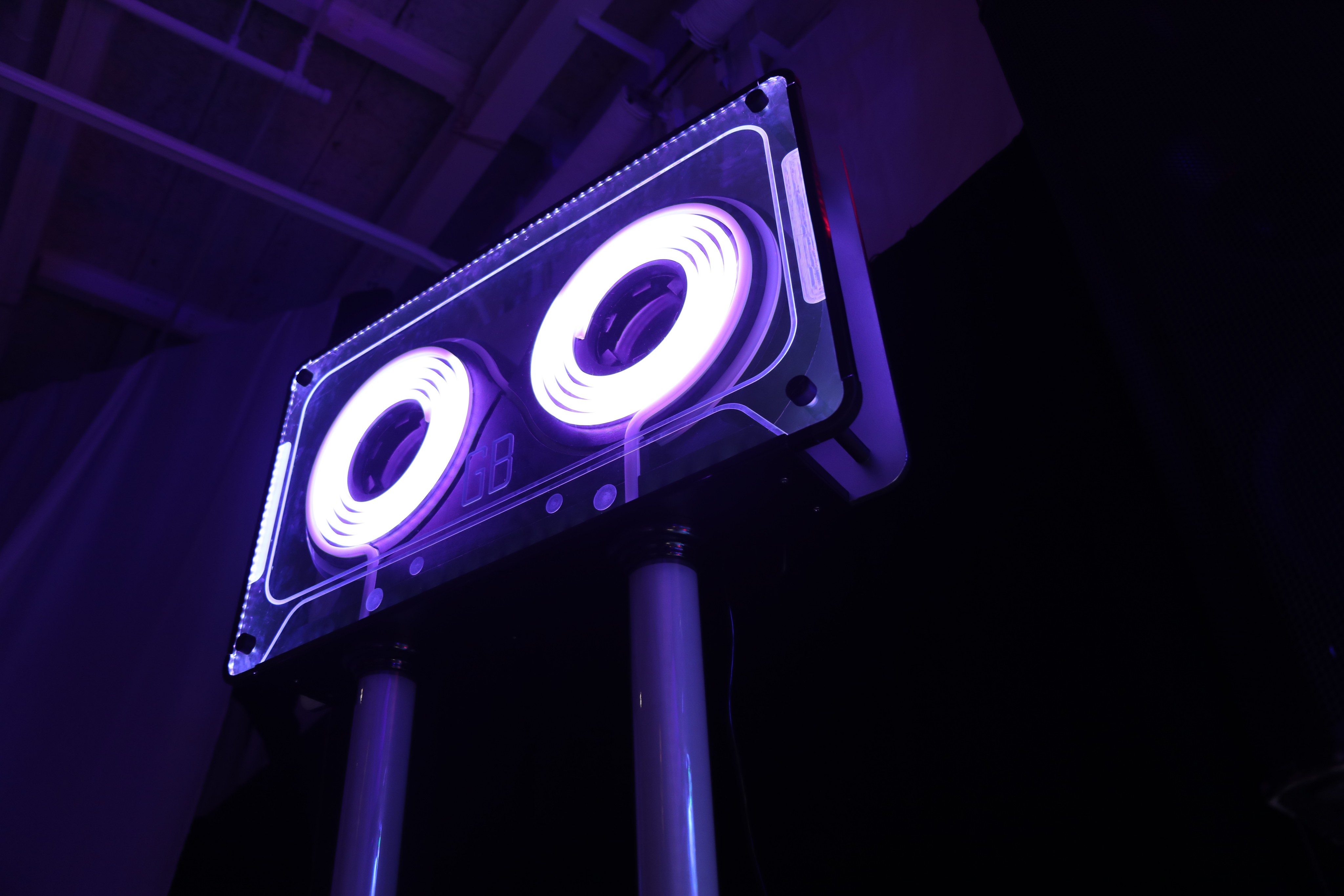
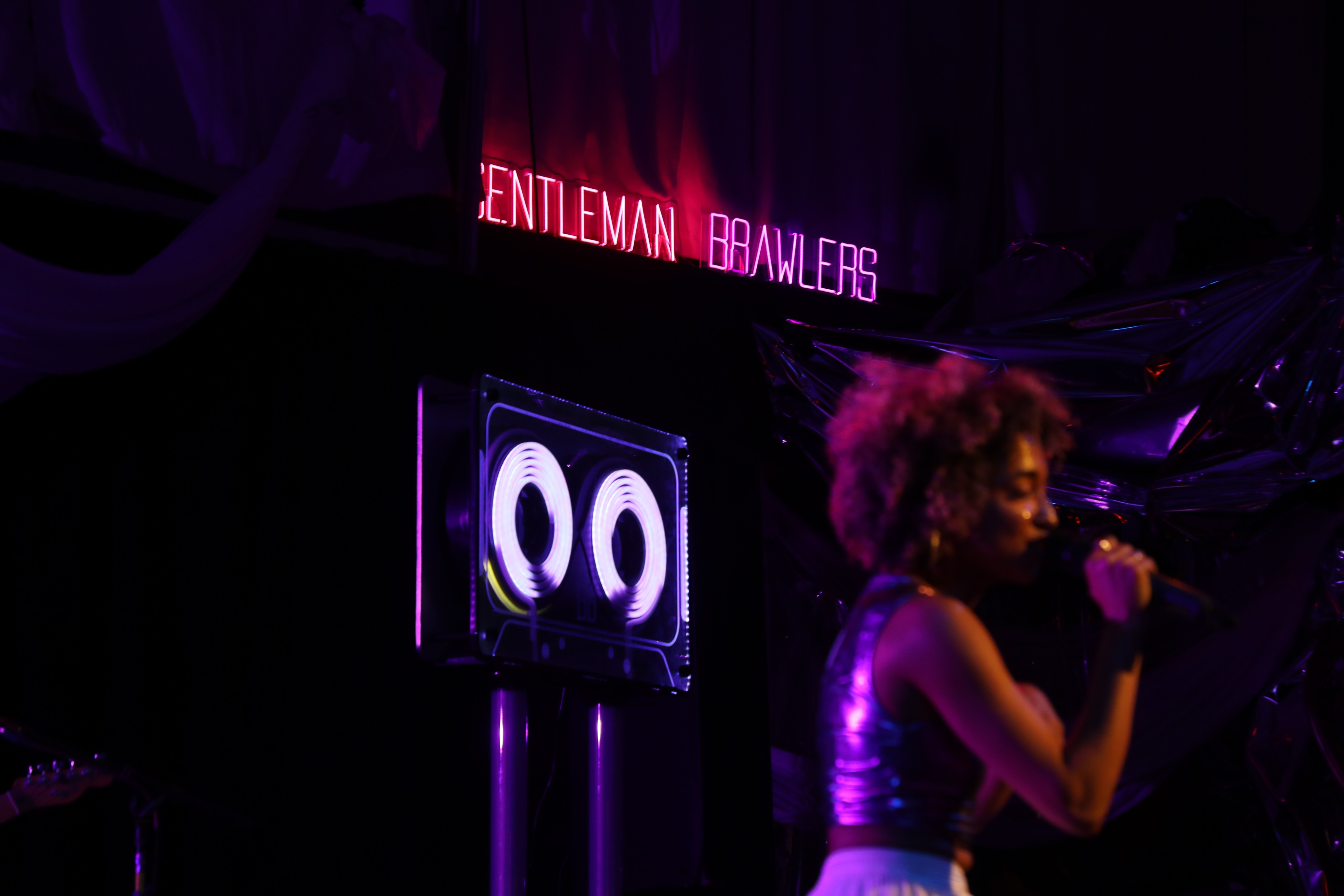
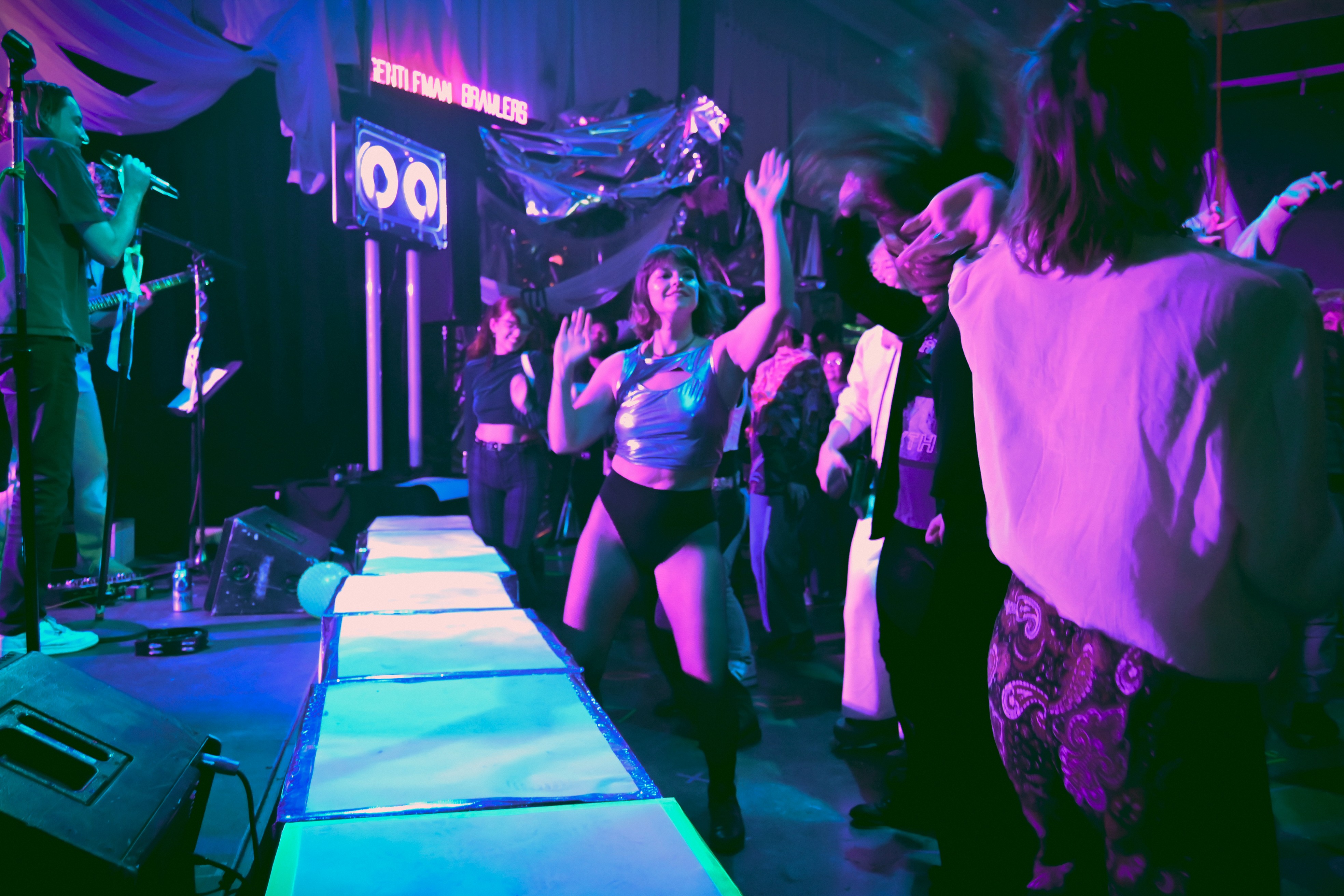
Final Deliverable
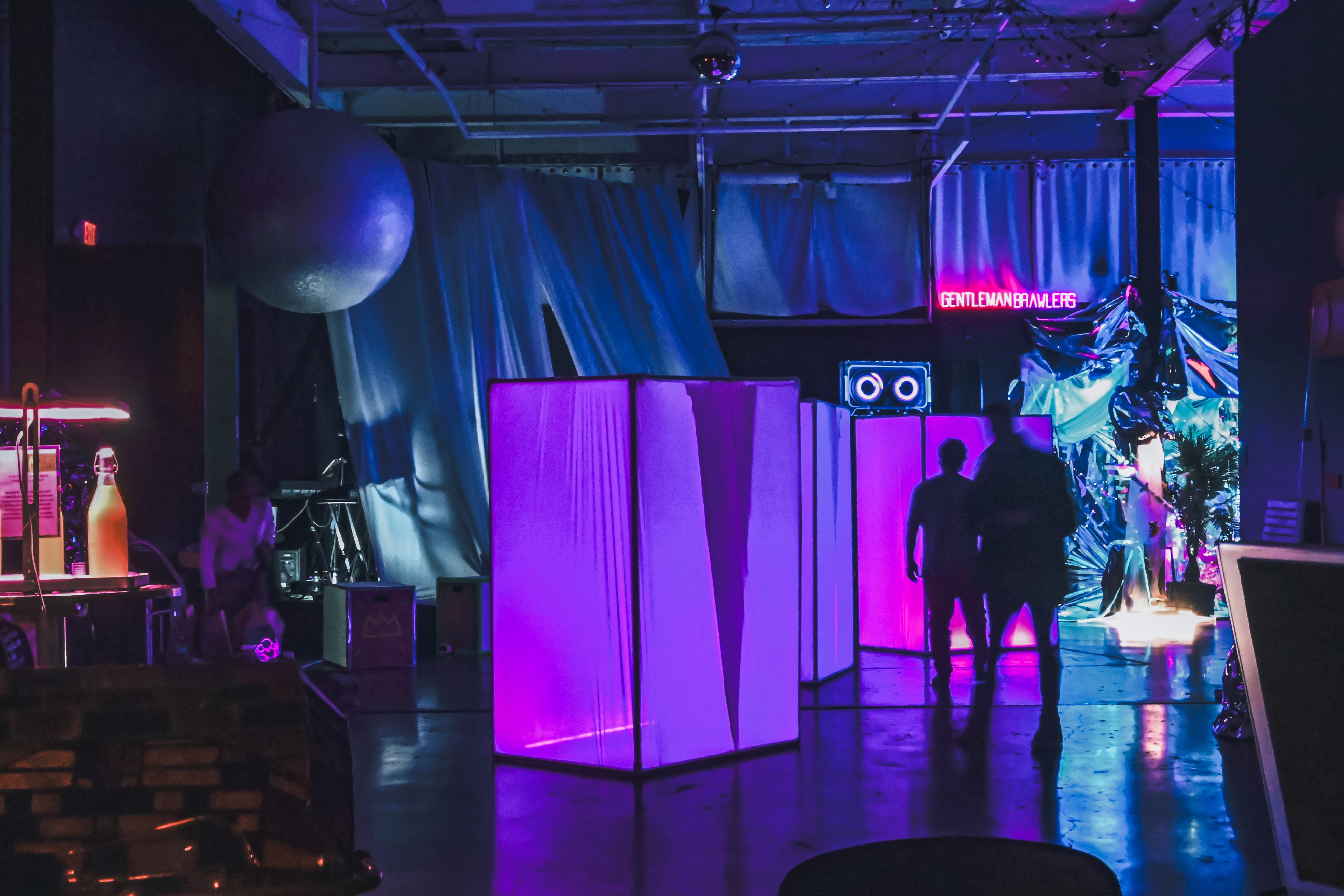
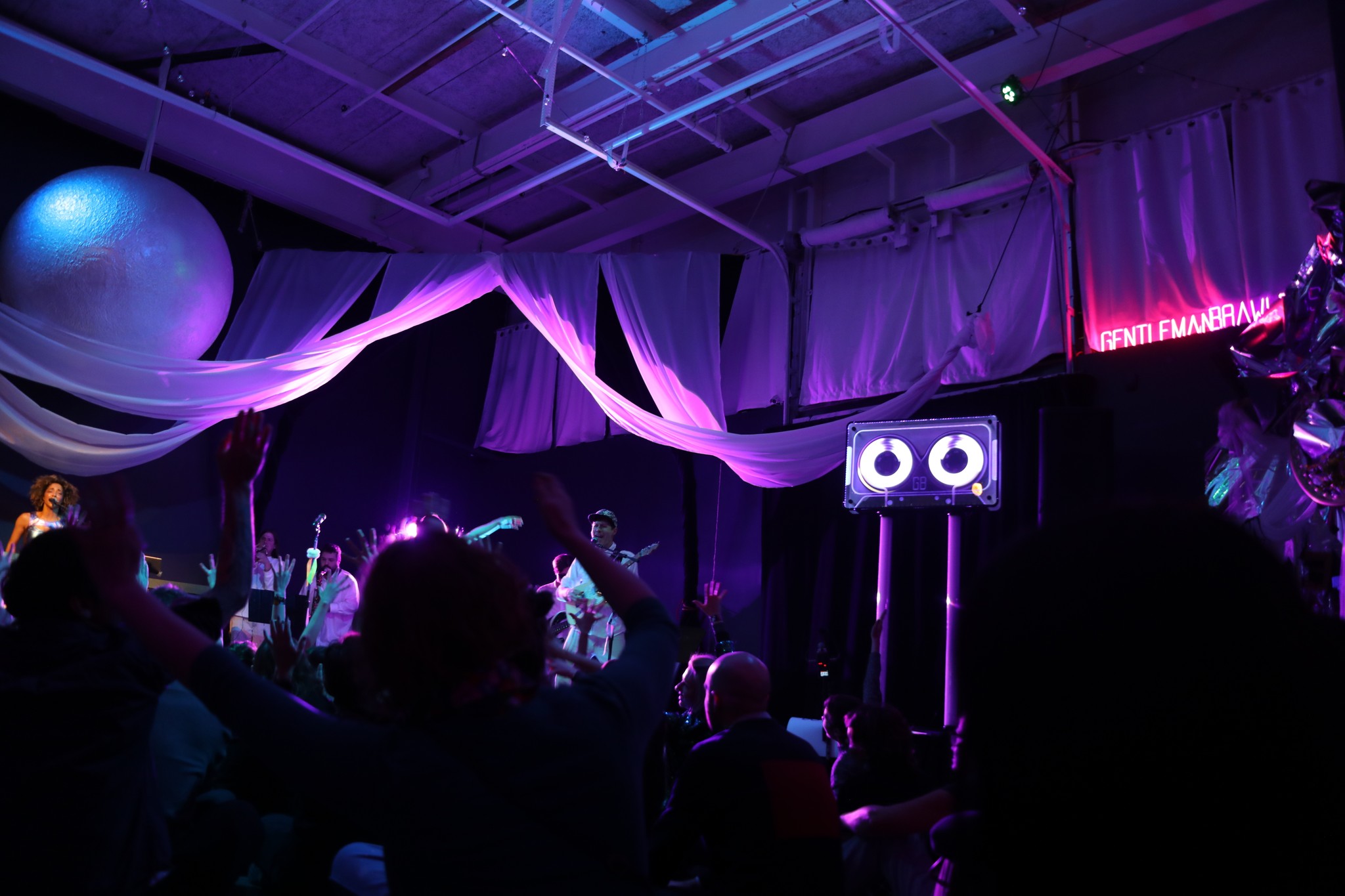
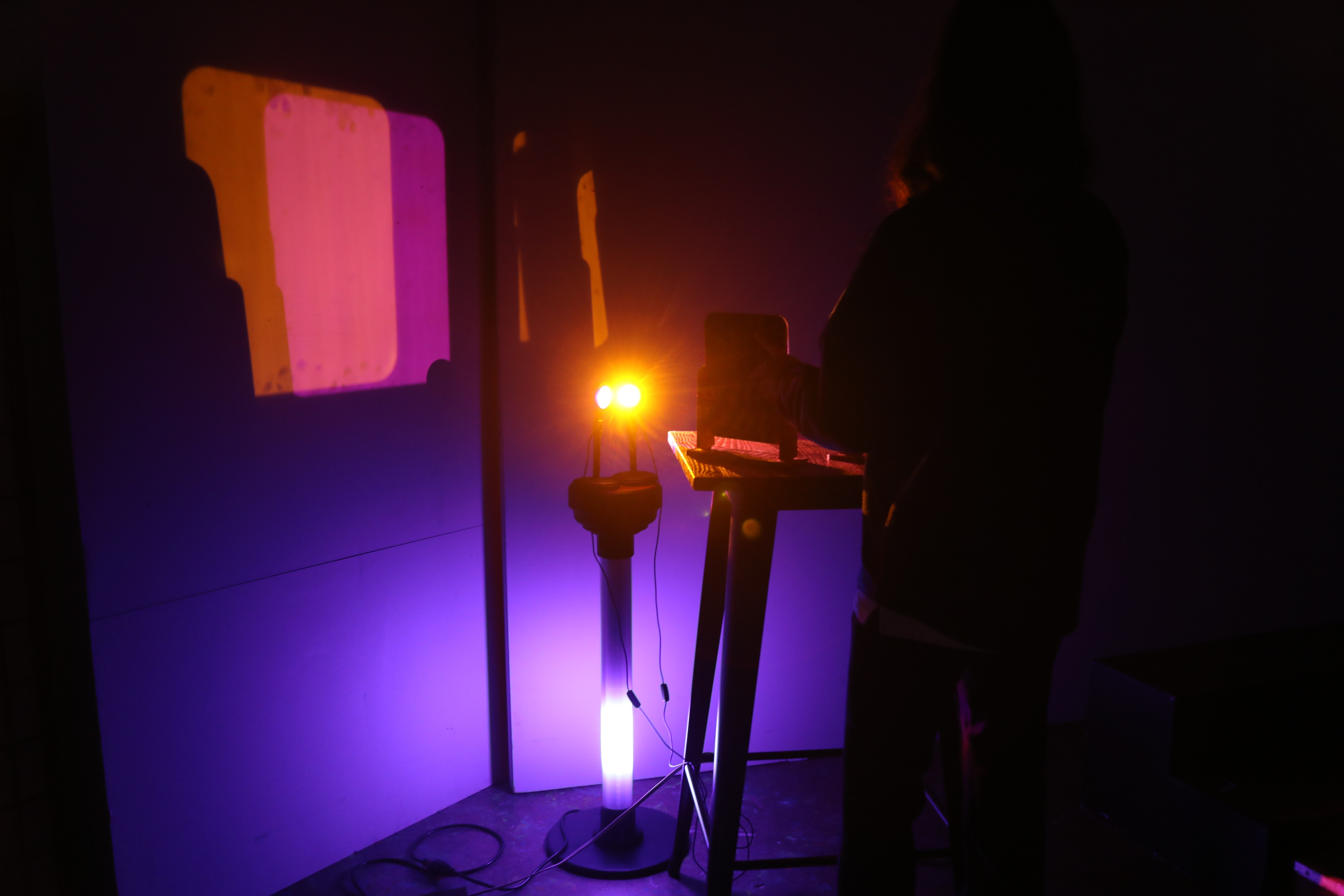
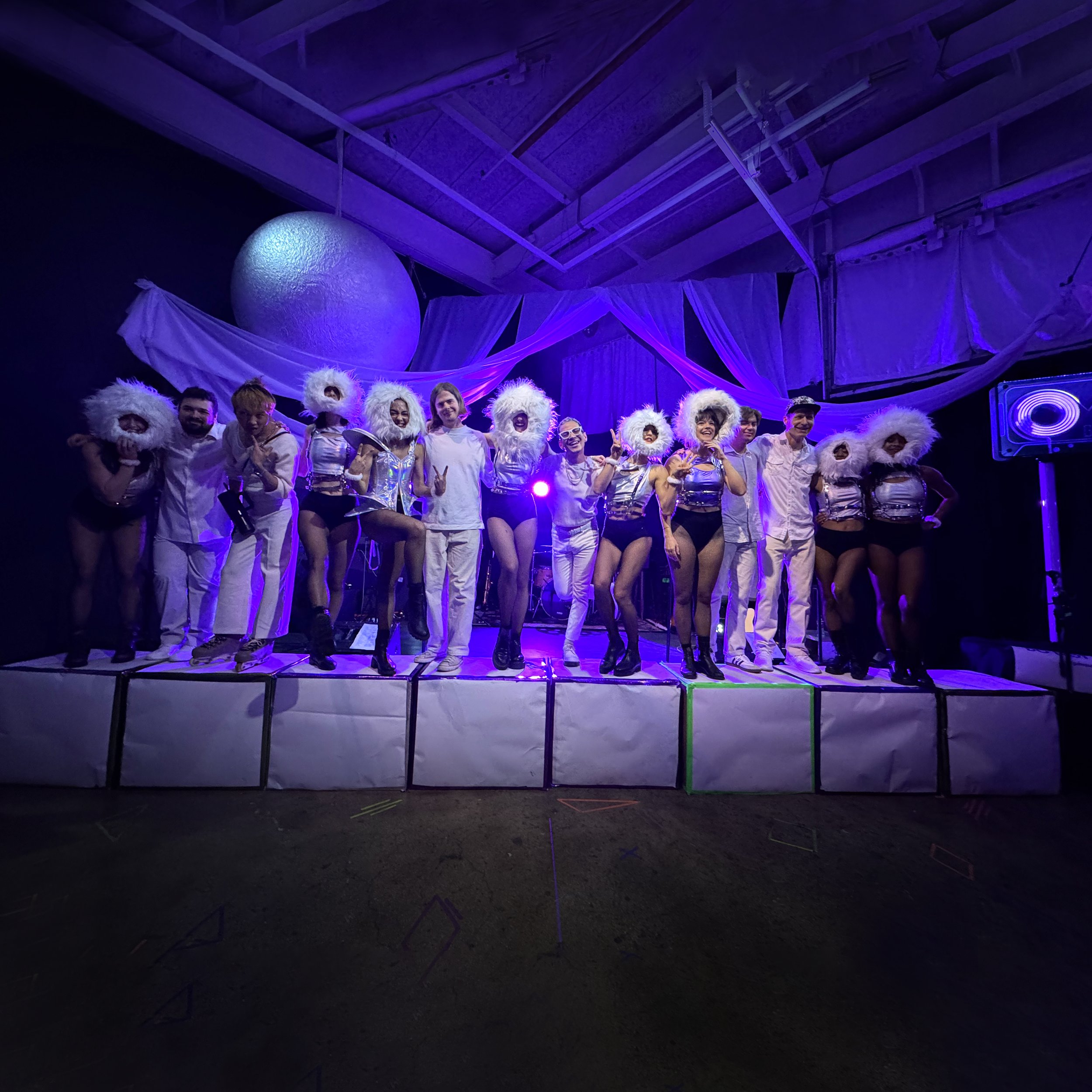
Our Collaborative Partner: Truth & Magic
Project type: Immersive Concert Experience
Key features: Interactive sensory stations, live performance audience engagement.
Target Audience:
Ages 18–45
Regular concert-goers and technology users
Interested in immersive and interactive theatrical experiences
Seeking deeper, offline connections in digital-heavy lives
What we know:
Sensory Stations: Audiences interact through multi-sensory games (sight, sound, taste, touch, smell) to unlock initial joy levels.
Live Performance: Real-time collective joy measurements through dancing, sing-alongs, parachute play, bubble machines, and immersive dance performances.
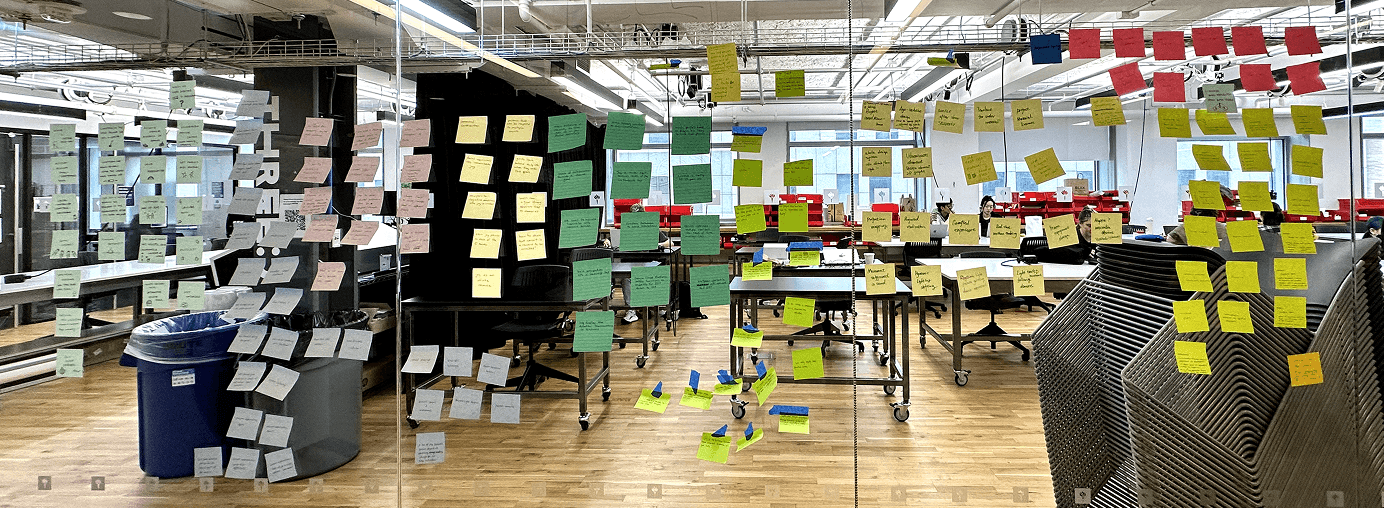
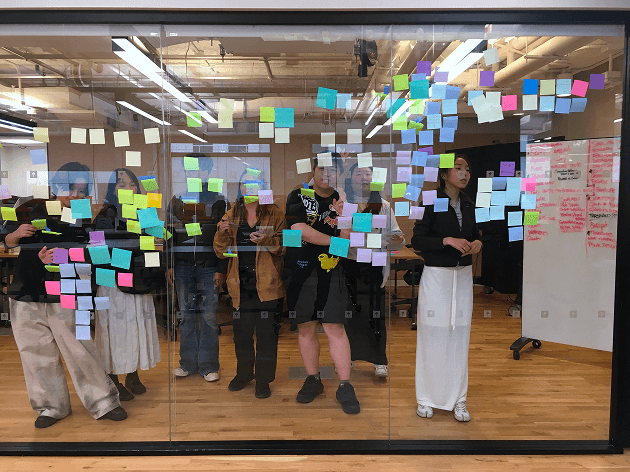
Round 1: Concept Brainstorming
Each team member contributed at least three ideas based on the research.
We compared and grouped similar concepts, ranking them into categories for feasibility and creative potential. This initial sorting helped us identify emerging themes.
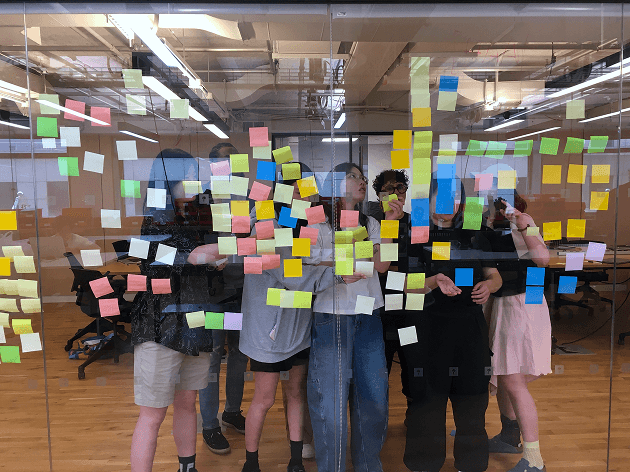
Round 2: Thematic Clustering
Ideas were further clustered into overarching themes to guide our future design direction. This thematic framework served as the foundation for all subsequent decisions.
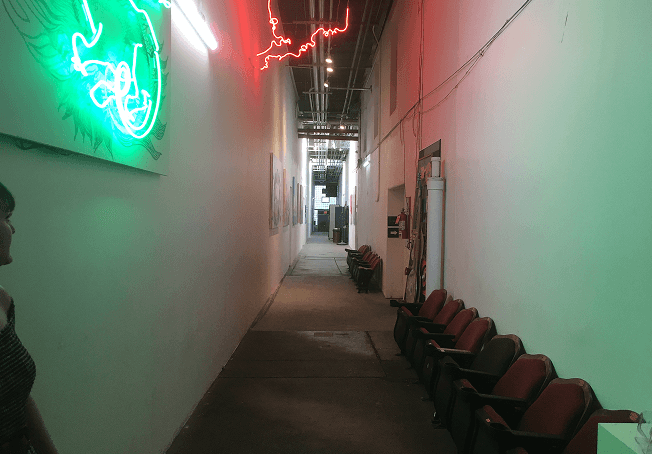
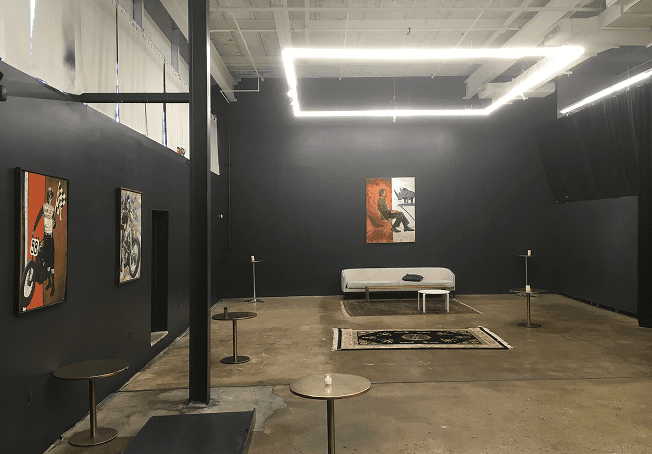
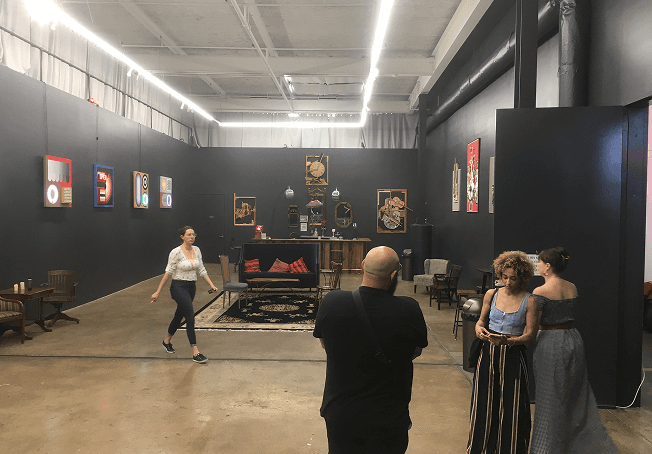
Site Visit & Spatial Understanding
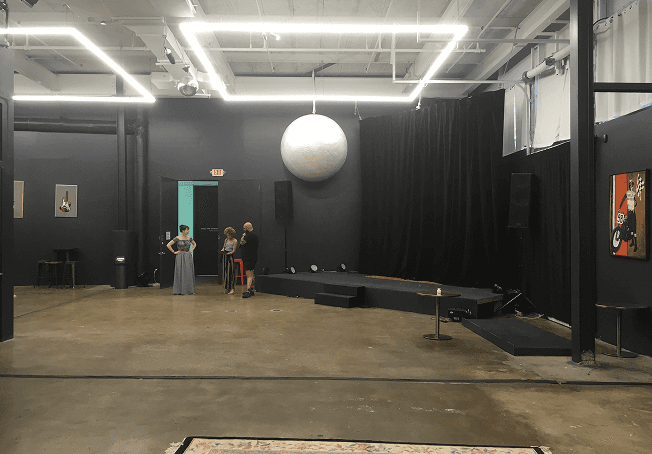
Our team visited Culture Lab LIC to understand the physical constraints of the venue. We studied the floor plan, ceiling height, elevations, and mounting limitations to ensure our design would be feasible and safe within the space.
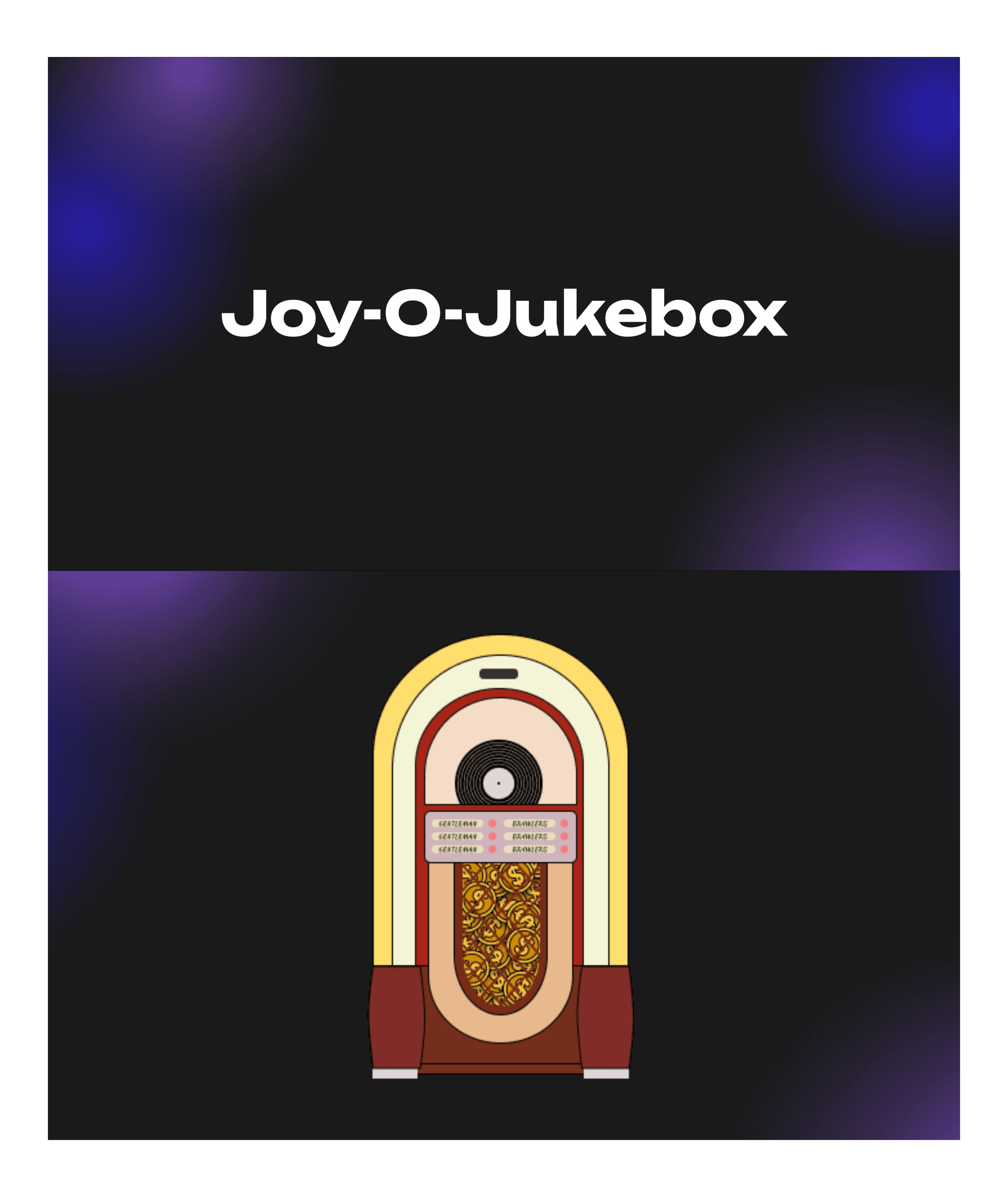
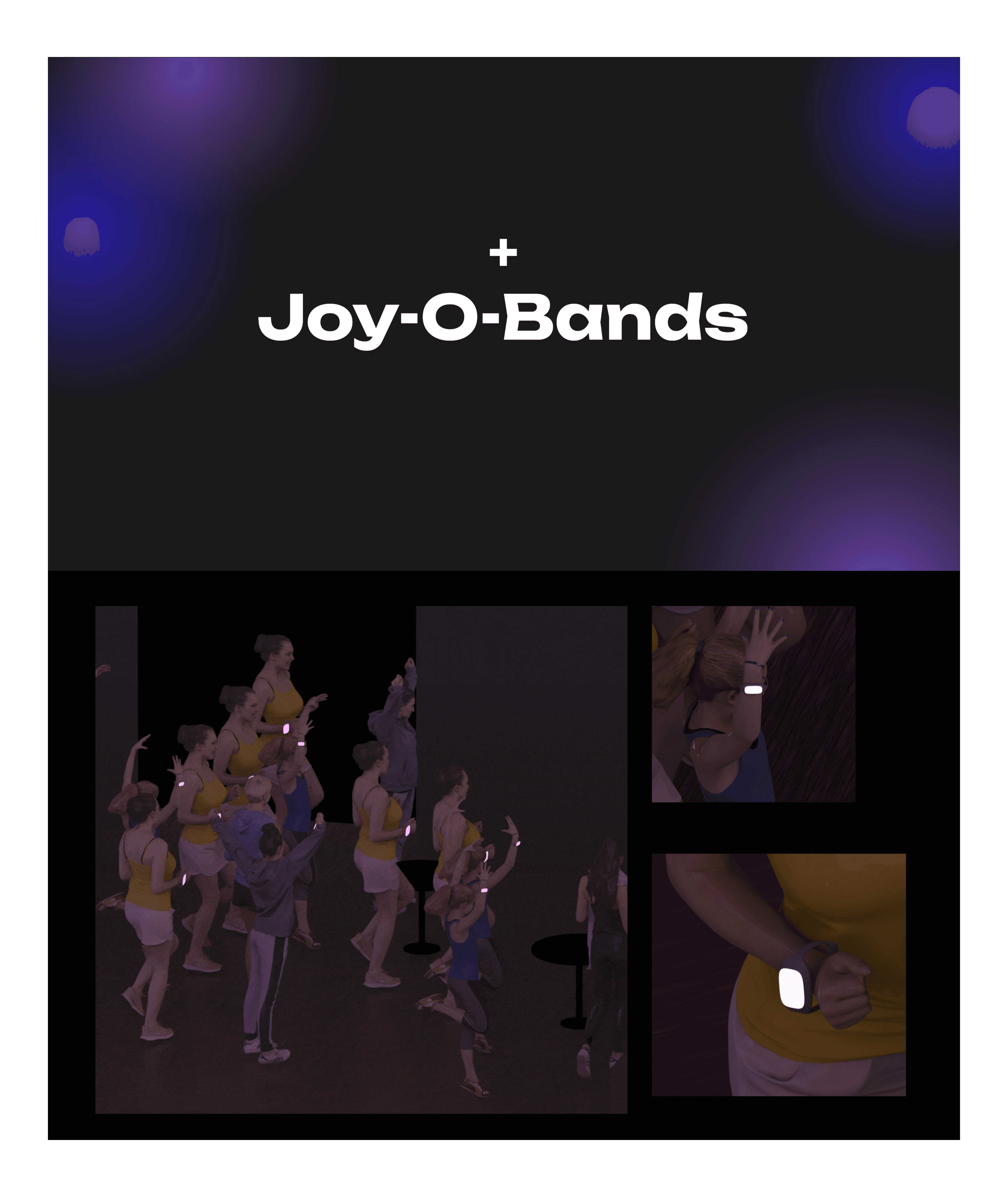
Based on our research, ideation, and site visit, we developed three distinct design concepts to pitch to the client.
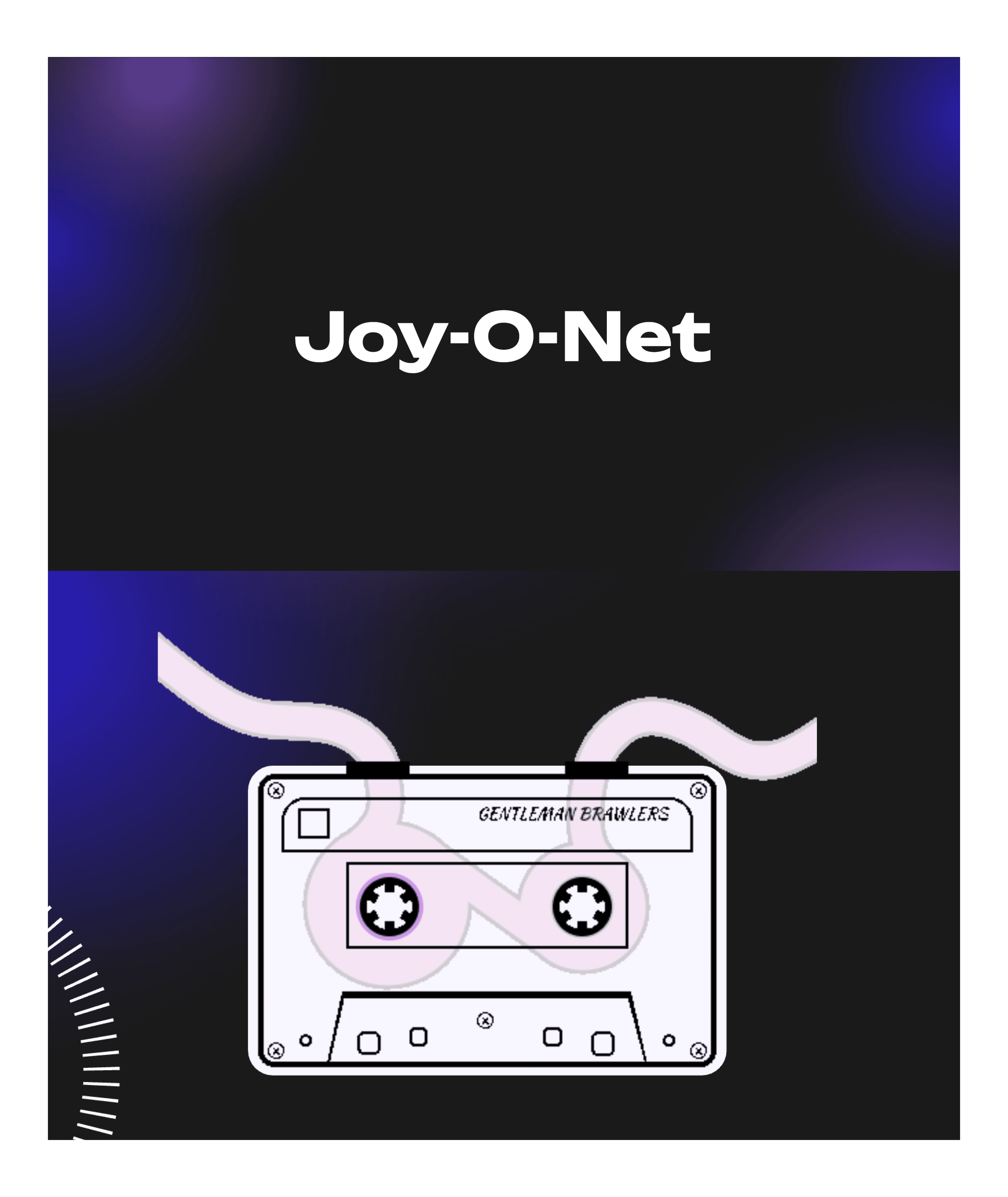
The cassette-inspired design was selected as the final direction.
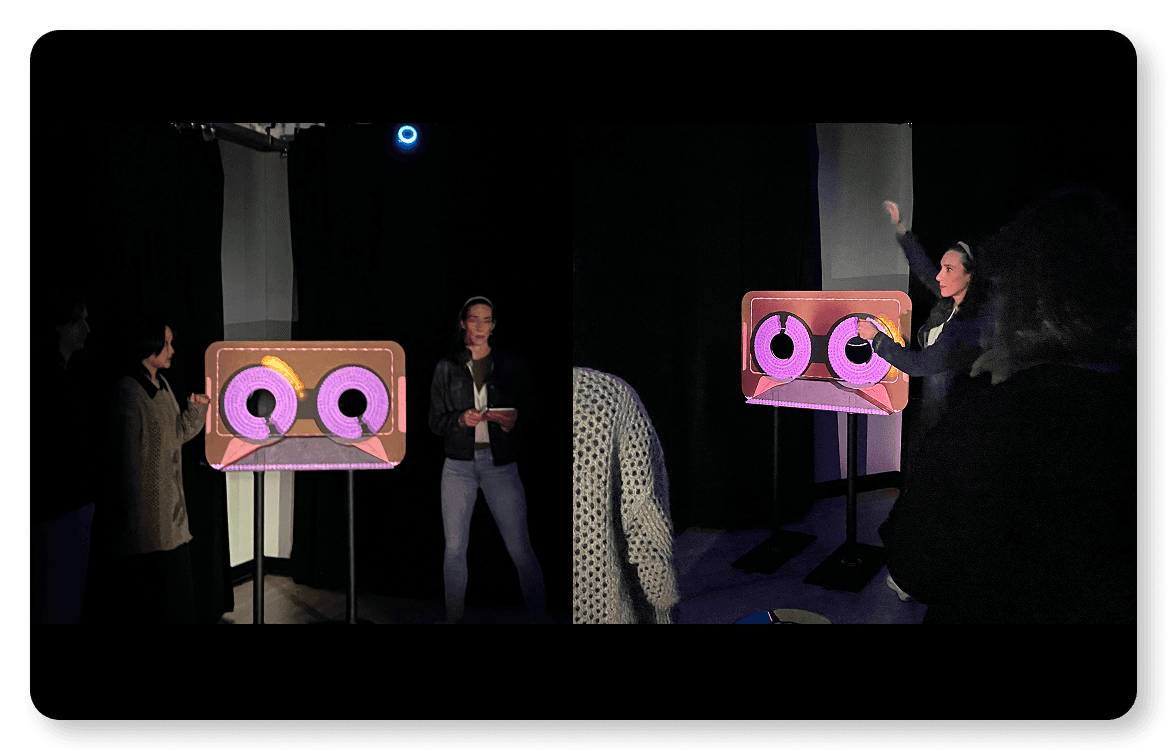
It is a network of whimsical, illuminated sculptures that transport joy from input stations to a central hub sculpture, shaped like a cassette. As joy accumulates, the hub sculpture shows increasing levels of lights.
As the concert unlocks, the hub will be fully lit. It will be lit along with the peripheral tubes, as if it’s radiating joy to audiences around the venue.
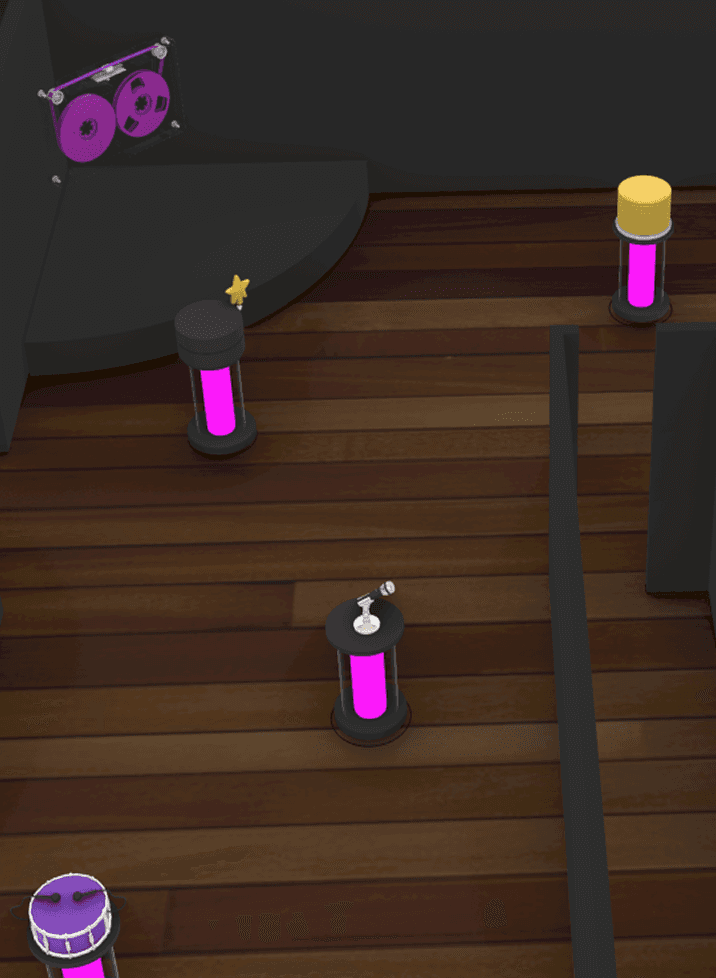
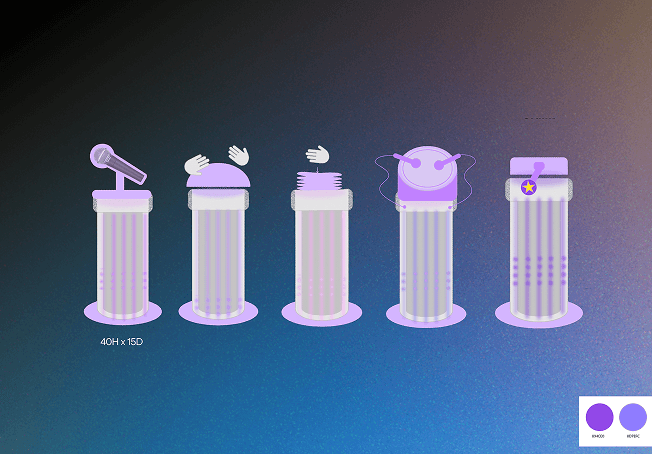
The input station design
As the performance requirements evolved, we continuously refined the concept through multiple meetings with the client.
Structure design shift 2 versions
The Main cassette design changed due to a shift of placement in the show. The clients want it to be placed high-up.
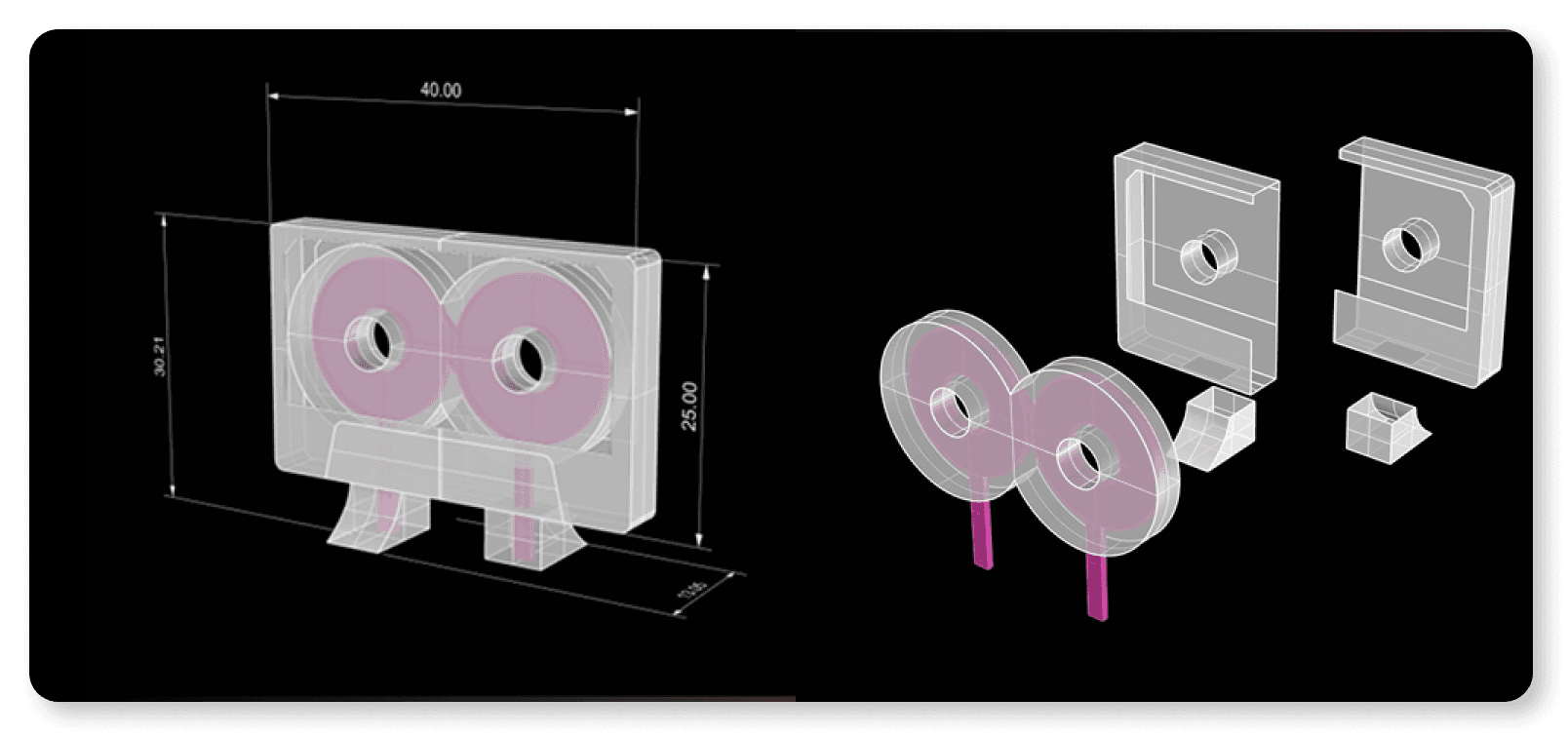
I though about building the first design in Arcylic or similar material, but due to the needs change, the design changed
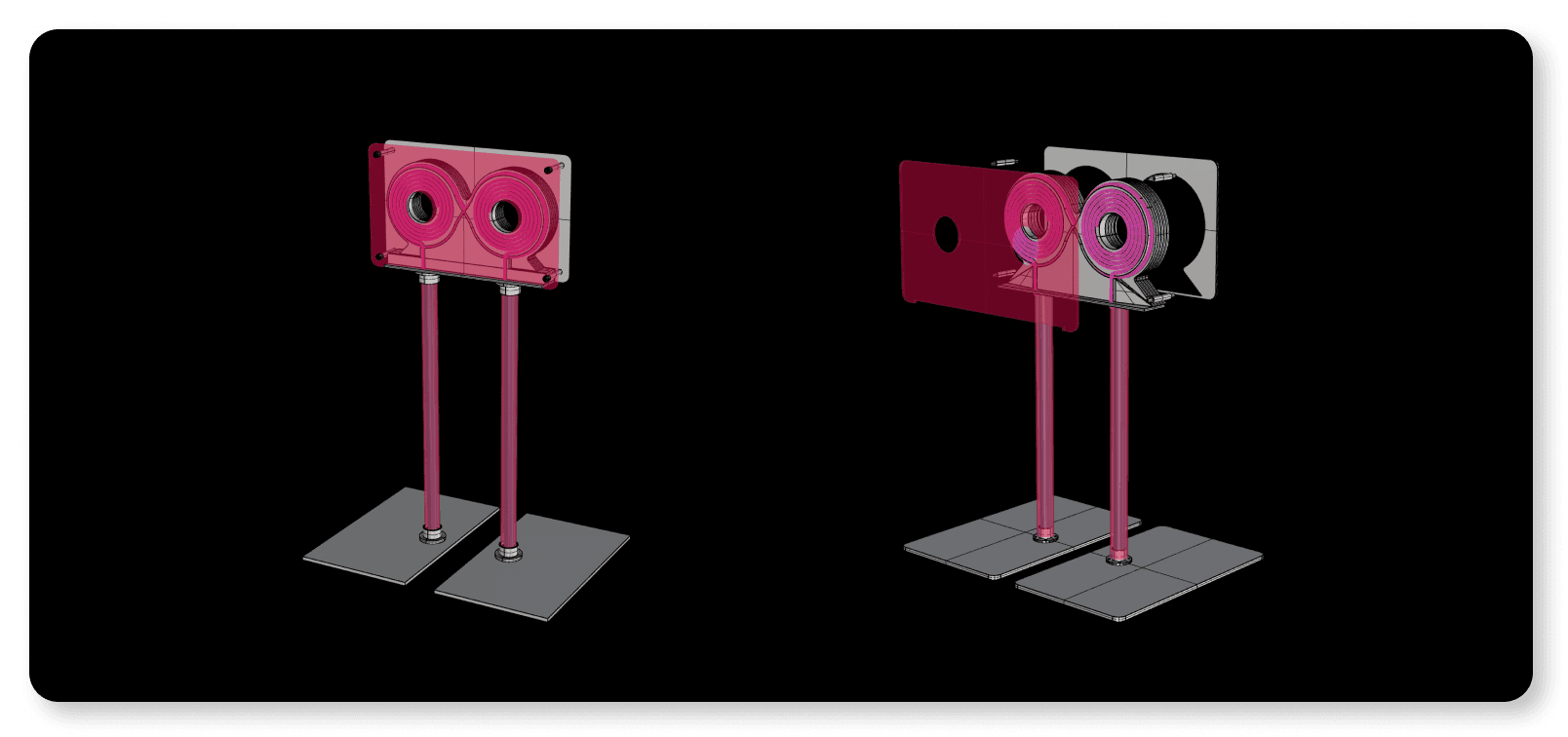
The final structure and look is 7 feet tall.
Prototyping & Playtesting
We created a full-scale(but only 5 feet tall) cardboard prototype to test the LED effect with projection mapping with our client.
Structure update:
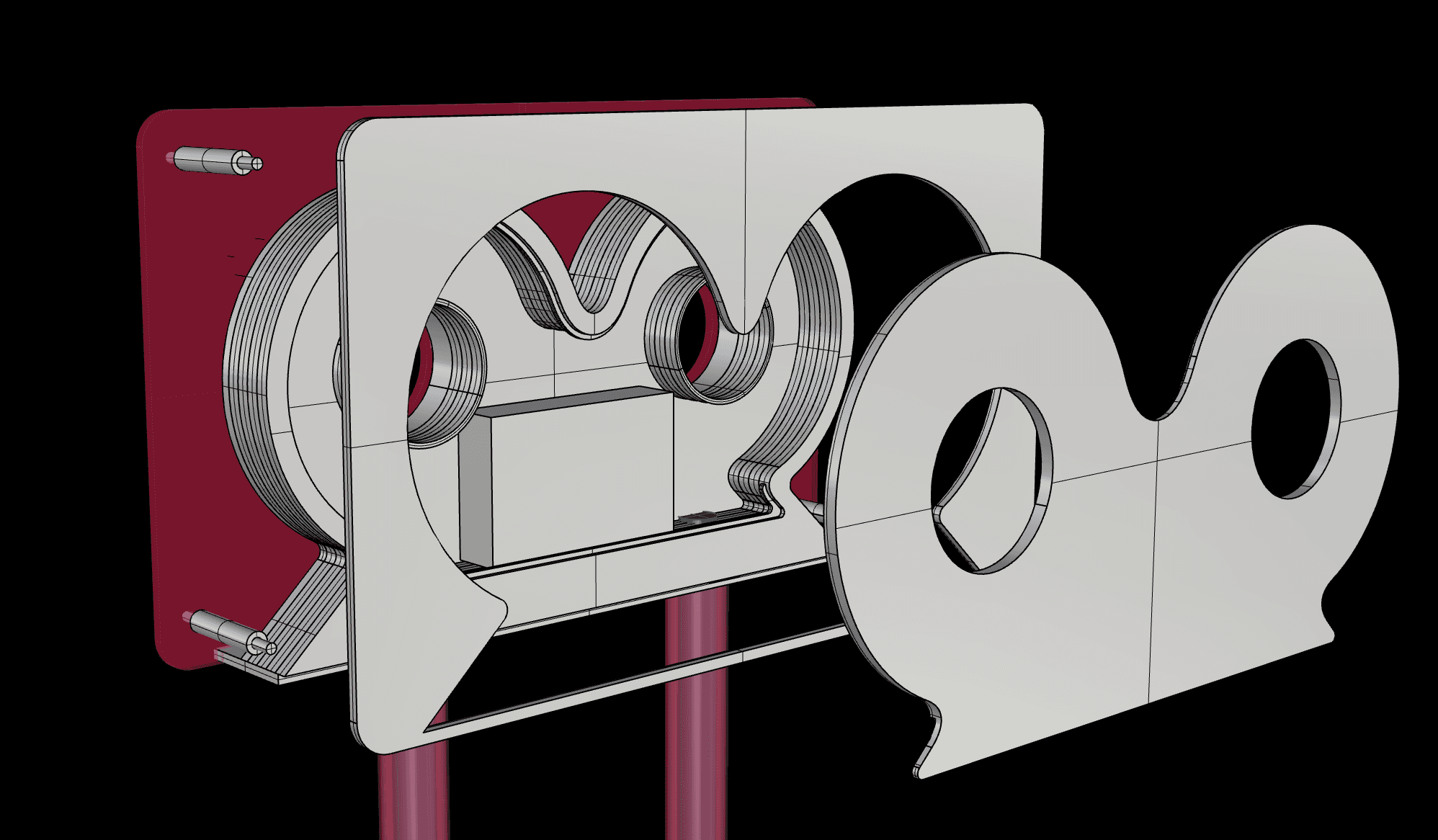
The central body part is designed to be heavy enough to balance the weight.
The front panel was chosen to be made of Plexiglass because of its transparency, which allows LEDs to shine through.
The front panel can be removed for future adjustments and maintenance needs.
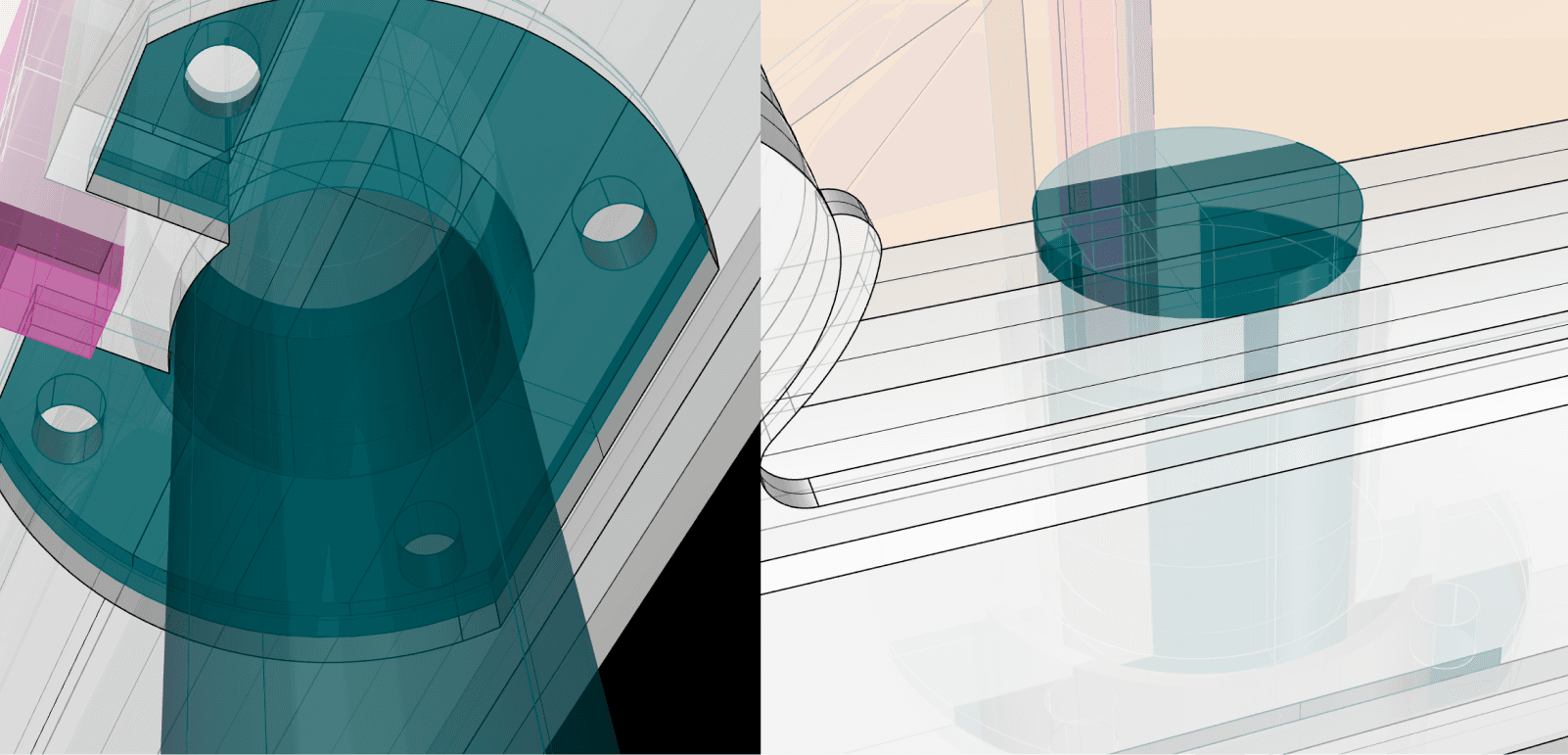
Structure update:
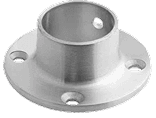
The connection parts of the main body and legs are also adjusted to provide a stronger bond.
The final design was tailored for future reuse, with a modular system and transportable case to allow the client to assemble it independently.
Structure update:
The cases are the base.
Once it is taken apart, the base of the cassette is converted into a protective case to shield the plexiglass surface.
Shaper to cut layers of the body of the cassette
We cut the entire shape out of pieces of 3/4 inch plywood
Assamble
Then we assamble the rings together to form a hollow shape which can contain the electrical parts, aka big battery, wires.
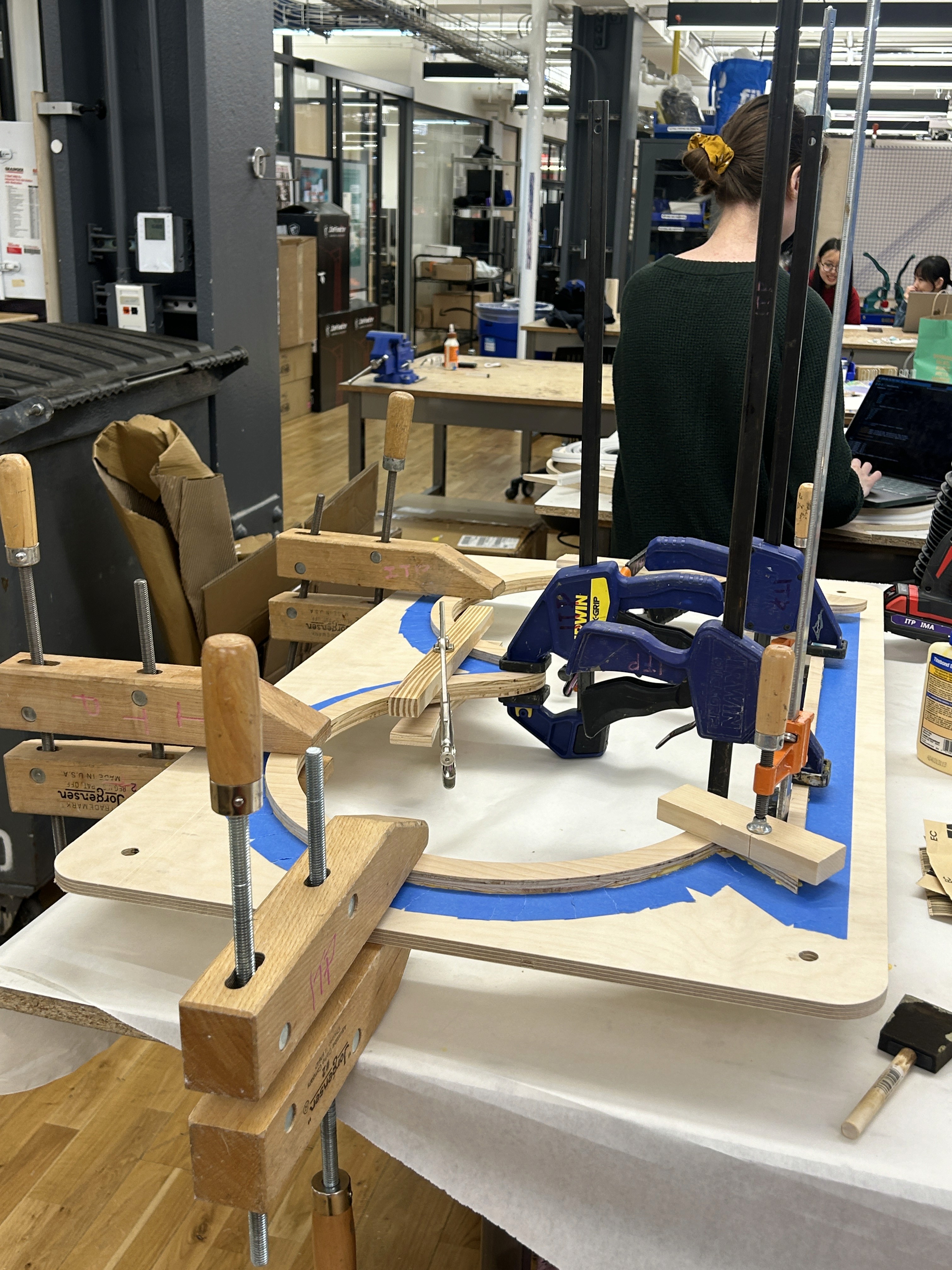
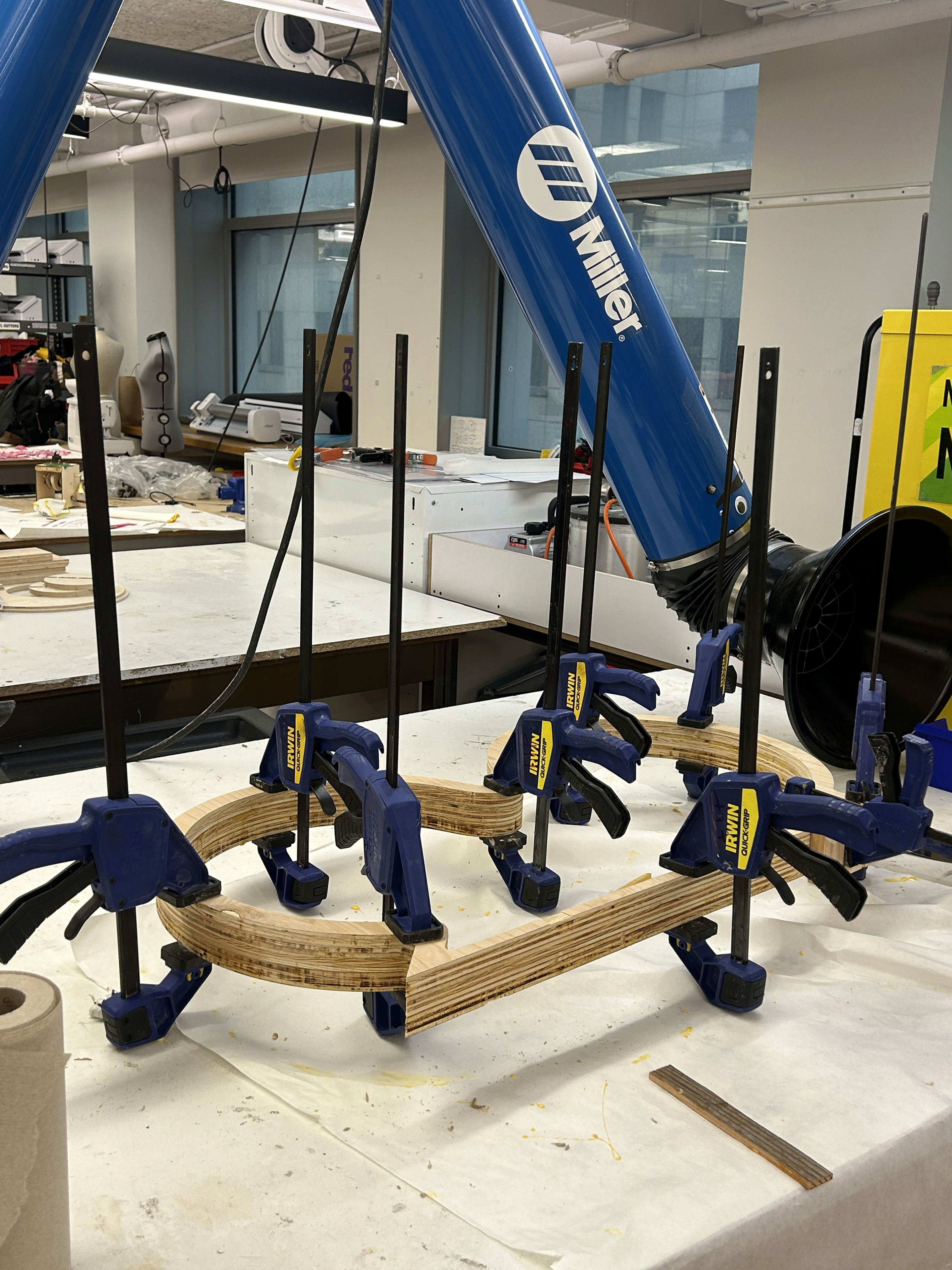
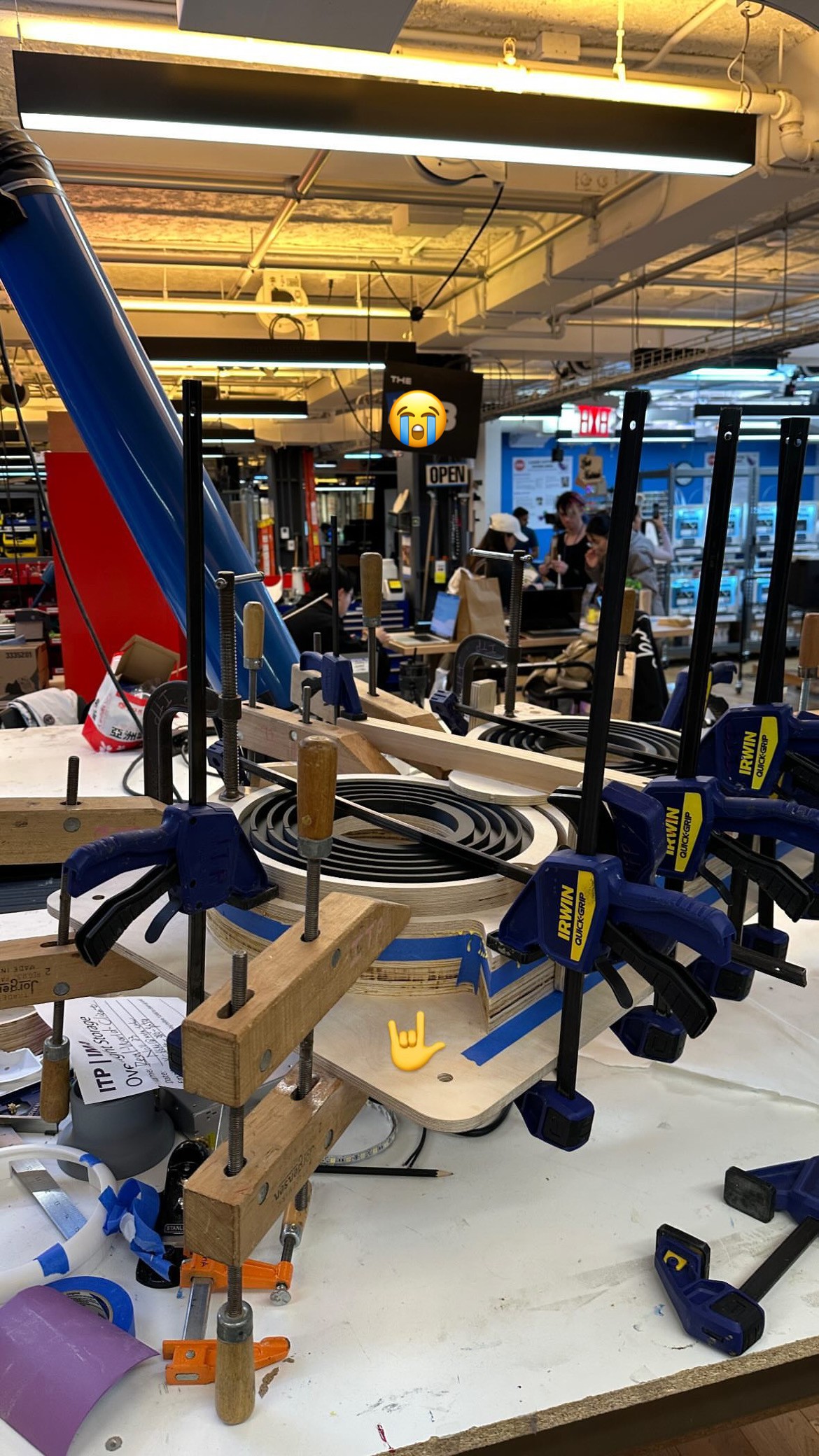
Sand. sand. sand
After multiple rounds of glue ups, I sand the structure for the paint application.
Final deliverable to client